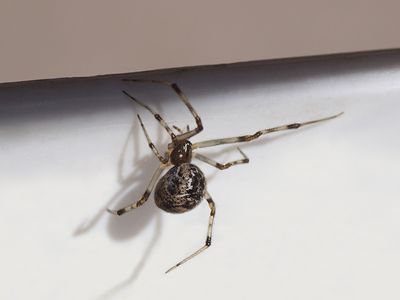
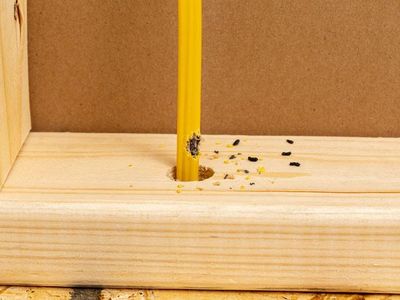
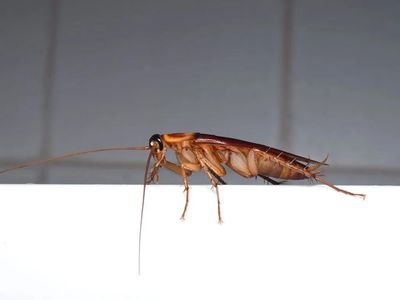
Why Cockroaches Are Attracted To Bathrooms
Cockroaches are one of the most common pests in Virginia homes, and bathrooms often become their favorite hiding spots. These pests seek moisture, warmth, and cluttered spaces, making bathrooms, as well as basements, crawl spaces, and even kitchens, ideal environments for them to thrive.
What This Blog Covers
- Why bathrooms attract cockroaches
- Other areas in your home roaches target
- How cockroaches get inside Virginia homes
- Can they come up through drains?
- Prevention tips for roaches
- What to do if you spot a roach
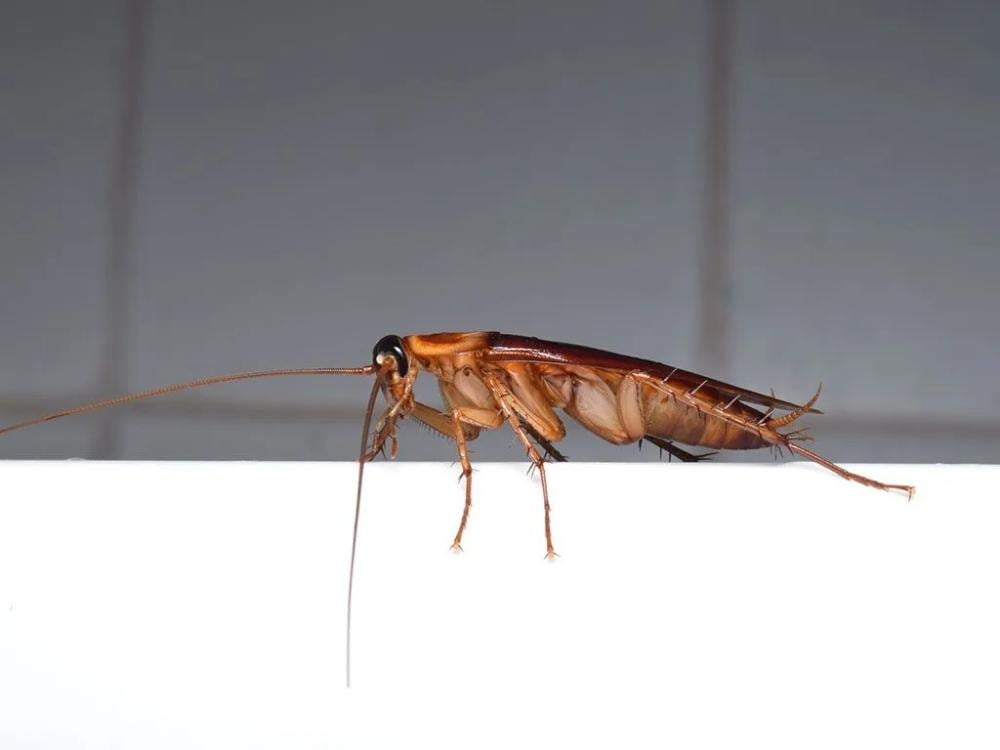
Why Bathrooms Attract Cockroaches
Cockroaches need moisture, warmth, and food to survive. Bathrooms provide all three: sinks, showers, and toilets supply water, while the humid, warm environment is perfect for hiding and reproducing. Small cracks around plumbing, cabinets, and tile can give roaches easy access to these areas.
Roaches Aren’t Just a Bathroom Problem
Bathrooms aren’t the only place roaches show up. These pests also seek out:
- Kitchens and pantries
- Laundry rooms
- Basements and crawl spaces
- Attics and storage areas
Anywhere that’s warm, dark, and cluttered is a potential roach hotspot. Boxes, piles of laundry, and stacks of belongings give them the perfect hiding spots.
How Cockroaches Enter Virginia Homes
Cockroaches often move indoors when outdoor conditions become challenging, such as during colder months or periods of food scarcity. Common entry points include:
- Cracks and gaps in walls, doors, and windows
- Spaces around plumbing and vents
- Items brought in from outside, like boxes, grocery bags, or secondhand furniture
Being vigilant about sealing gaps and inspecting items before bringing them indoors can reduce the risk of infestation.
Can Cockroaches Come Up Through Drains?
Yes. Cockroaches can enter homes through drains. Sinks, showers, and tubs provide moisture, warmth, and leftover organic material, which can sustain them. Ensuring drains are clean and properly sealed helps keep these pests out of your bathroom.
Roach Prevention Tips for Virginia Homeowners
Keeping your home clean and dry is the most effective way to prevent roaches. Here are some practical steps:
- Store food in airtight containers
- Empty trash regularly
- Vacuum and mop floors frequently
- Avoid leaving dirty dishes in the sink
- Pick up wet towels and dirty laundry
- Keep your home well-ventilated and dry
- Repair leaky pipes or faucets
- Remove clutter from your home and yard
- Inspect items for signs of roaches before bringing them inside
One Roach Doesn’t Always Mean an Infestation
Finding a single cockroach doesn’t automatically mean you have a full-blown infestation, but it does indicate you should investigate further. Roaches hide well and reproduce quickly, so early detection is key.
What to Do if You Spot a Cockroach
If you see a cockroach in your Virginia home, contact Evergreen Pest Solutions. Our local pest control experts in Richmond, Roanoke, Chesapeake, and surrounding areas conduct thorough inspections and provide effective treatments to eliminate roaches and prevent their return.
Contact us today to learn more about our home pest control services or to request a quote!
Cockroach FAQ for Virginia Homeowners
Can cockroaches spread diseases?
Yes. Cockroaches can carry bacteria and pathogens that may contaminate food, dishes, and surfaces. Regular cleaning and professional pest control reduce these risks.
Are cockroaches only active at night?
Mostly. Cockroaches are nocturnal and prefer to hide during the day; however, if the infestation is severe, you may see them in bathrooms, kitchens, or other warm, damp areas when the sun is out.
How fast do cockroaches reproduce?
Cockroaches reproduce quickly. A single female can produce dozens of offspring in a matter of months, making early detection and treatment crucial.
Can DIY methods fully eliminate cockroaches?
DIY traps and sprays can help, but roaches are resilient. Professional pest control from Evergreen Pest Solutions ensures a thorough inspection and treatment that removes roaches and prevents re-infestation.